

Communication and social skills
- Has a hard time expressing wants and needs
- Doesn't often respond to their name or instructions
- Struggles with back-and-forth play or conversation
One-on-one therapy at home, led by a BCBA and built around your child.
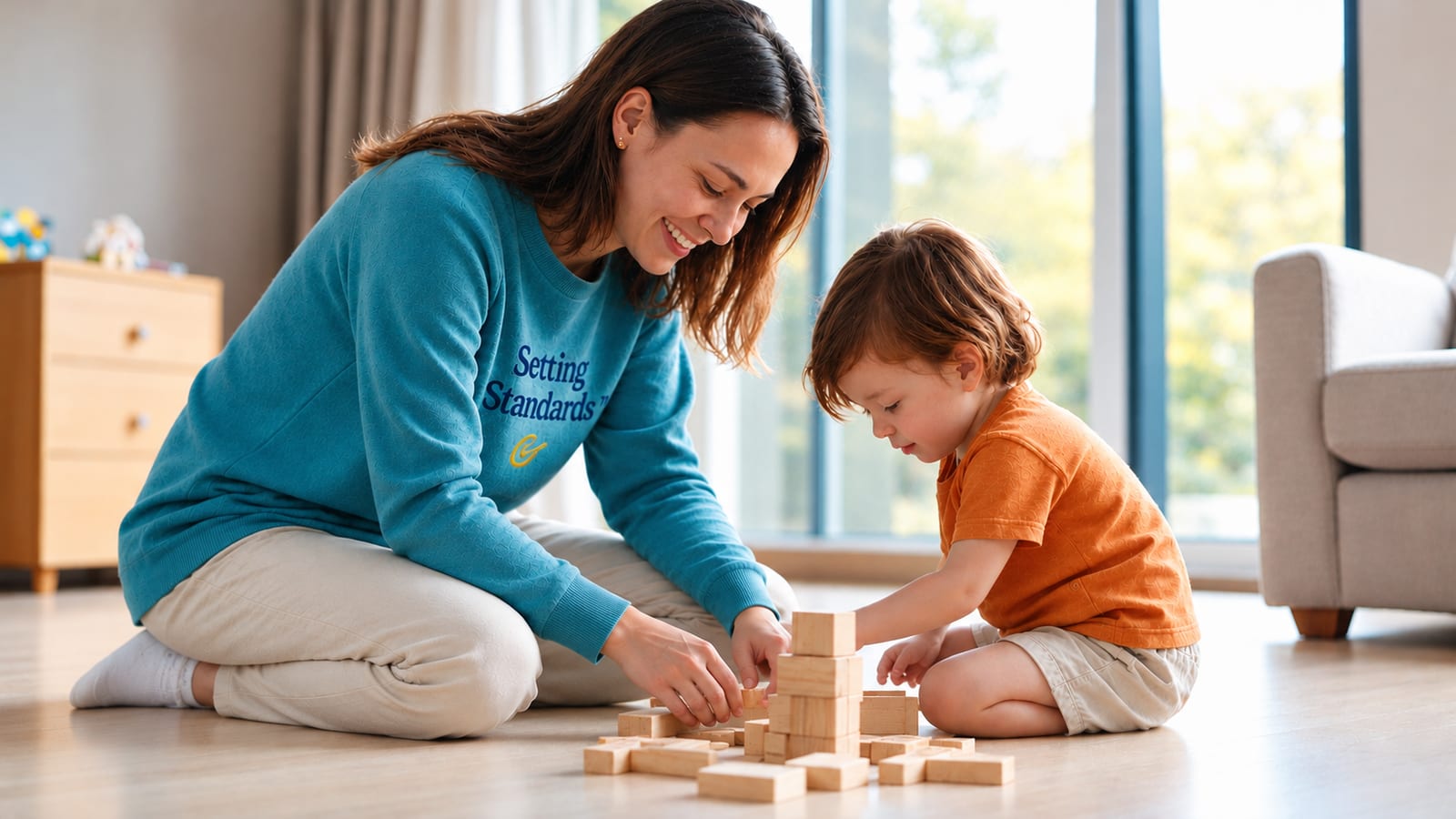
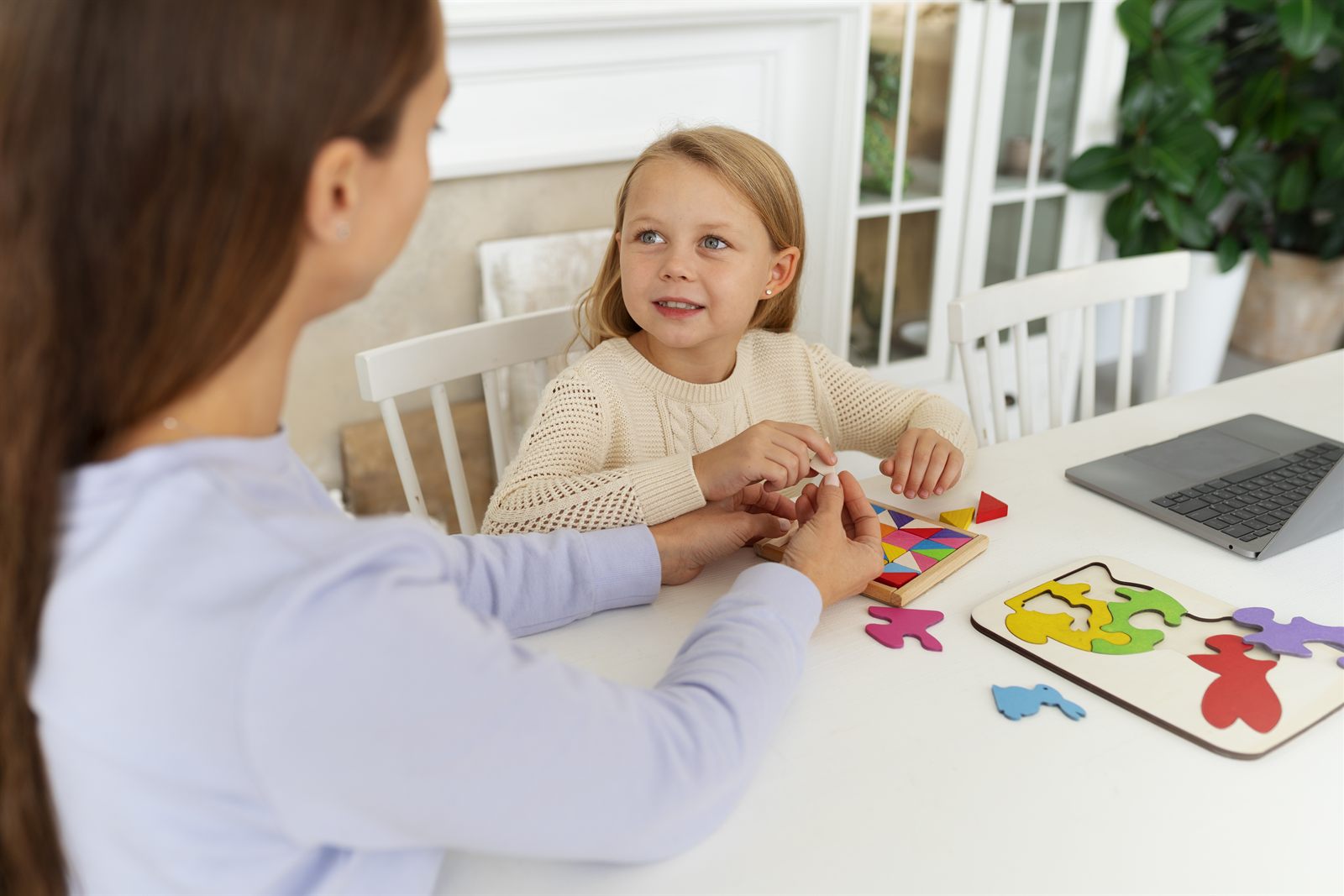
Therapy that fits into your child's everyday life
In-home ABA therapy brings applied behavior analysis to the place your child knows best.
A Board Certified Behavior Analyst (BCBA) assesses your child and designs a personalized plan. A Registered Behavior Technician (RBT) then works with your child one-on-one at home, using everyday routines, activities and play to build new skills. Along the way, you learn the same strategies, so progress keeps going between sessions.
Here's how it works with us
No driving to appointments or rearranging your day. Therapy happens at home, on a schedule that works for your family.
Your child works with a dedicated RBT, supervised by a BCBA who knows their plan inside and out.
You'll meet with your BCBA regularly, see how your child is doing and learn ways to help at home.
Learn about Parent Support and TrainingMornings, mealtimes, playtime and bedtime become chances to practice new skills.
We verify your benefits and take care of the approvals, so you can focus on your child.
A schedule built around your child and your family
There's no one-size-fits-all number. After the assessment, your child's BCBA recommends a weekly schedule based on your child's goals, age and needs, and on what works for your family.
Most in-home ABA sessions run about 2 to 4 hours at a time, a few days a week. Weekly hours usually fall into one of two ranges:
Often about 10 to 25 hours a week
It targets a few specific goals, like communication or a challenging behavior.
Often about 25 to 40 hours a week
It's for children, often younger ones, who need support across many areas of development.
Sessions are planned around your family's routine, whether that's mornings for a preschooler or after school for an older child. As your child makes progress, the BCBA reviews the plan with you and adjusts the hours.
Why learning at home makes a difference
Children often feel safest and most relaxed in their own space, which makes it easier to focus and learn. Skills practiced at home are also easier to use day to day, because your child learns them in the same place, with the same people and routines they'll use them with. And when therapy happens at home, the whole family gets to be part of it.
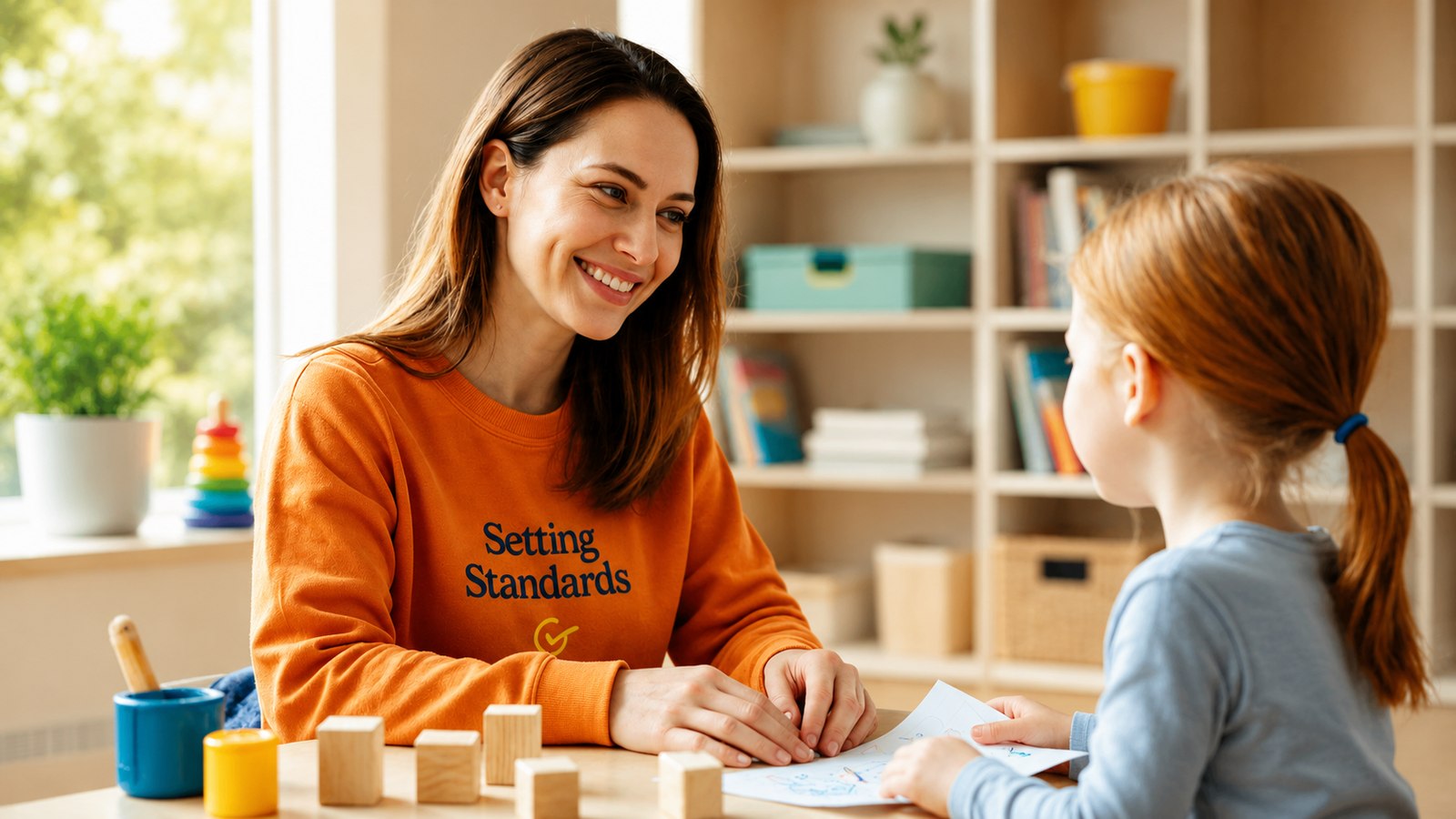
Choosing the right setting for your child
ABA therapy can happen at home or in a clinic (sometimes called center-based ABA). Both use the same science. The main differences are where your child learns and what they practice.
| In-home ABA | Clinic-based ABA | |
|---|---|---|
| Where therapy happens | Your home, plus school or community when needed | A therapy center |
| What your child practices | Real routines like meals, dressing, bedtime and play with siblings | Skills learned in a structured setting, then carried over to home |
| Parent involvement | Easy to join in and learn strategies during sessions | Often through scheduled parent training sessions |
| Travel | None. The therapist comes to you | Regular drop-off and pickup |
| Time with other kids | Siblings, and peers through school or community outings | Often built-in group activities with other children |
| Often a good fit for | Children who learn best in a familiar place, have trouble with home routines, or whose families can't easily travel | Children who need a lot of peer practice or a highly structured space |
Gold Standard ABA provides in-home therapy and can extend support to your child's school, daycare and community. Not sure which setting is right? We're happy to talk it through with you.
When in-home therapy can help
An autism diagnosis is needed to start ABA therapy. Still waiting on one? We can help with the next step.
More about diagnosis supportWhat everyday life can start to look like
Frustration when needs aren't understood
Asking for what they need
Long, stressful mornings and bedtimes
Smoother routines with more independence
Meltdowns when it's time to stop an activity
Handling changes with more calm
Hard to stay at the table
Sitting with the family for meals
Playing alone or struggling with siblings
Taking turns and playing together
Every child is different, and progress looks different for every family.
Here's one example of how in-home ABA might fit into a family's week. Every child's plan is different.
Imagine a 4-year-old who melts down when it's time to leave the playground and asks for things by pulling an adult's hand. Her therapist comes to the house a few afternoons a week. At snack time, they practice asking for a favorite food with a word or a picture. Before bath time, they use a simple picture schedule so she knows what's coming next. Some sessions include a short trip to the park to practice leaving with a “first, then” plan.
Her mom joins in for parts of each session and uses the same steps on the weekend. Every couple of weeks, the BCBA meets with her to go over the data and decide what to work on next. Over time, the goal is fewer meltdowns at transitions and more words to ask for what she needs.
Your benefits checked and approvals handled
We accept Health First Colorado, Colorado's Medicaid program. We verify your benefits for free and take care of the approvals before therapy begins.
Getting started is simple
Tell us about your child and your family.
We verify your benefits and handle the approvals.
Your BCBA gets to know your child and builds a personalized plan. More about assessments →

Your child's sessions start at home, and you meet with your BCBA regularly to review progress.

Questions parents often ask
It depends on your child's goals. Sessions usually last 2 to 4 hours, and weekly hours often range from about 10 to 25 for focused ABA up to 25 to 40 for comprehensive ABA. Your BCBA will recommend a schedule after the assessment and adjust it as your child makes progress.
In most cases, yes. A parent or another adult caregiver should be home during sessions. You don't need to sit in the whole time. Many parents go about their day nearby and join in for parts of the session, so they can see what's working and use the same strategies between visits. Your BCBA will talk with you about how involved you'd like to be.
That's common. Therapists start by building a relationship with your child through play and activities they enjoy, so therapy feels positive from the start.
Every session is measured, and your BCBA reviews progress with you at regular meetings.
Yes. When it's a good fit, we can also support your child at school, at daycare and in the community. More about school and community support →
Yes. Health First Colorado covers ABA therapy for eligible children with an autism diagnosis. See Medicaid coverage →
Serving families across the state

Get started with in-home ABA in Colorado
Let's take the first step together. Reach out today, and we'll check your coverage for free and walk you through everything that comes next.